
digital marketing

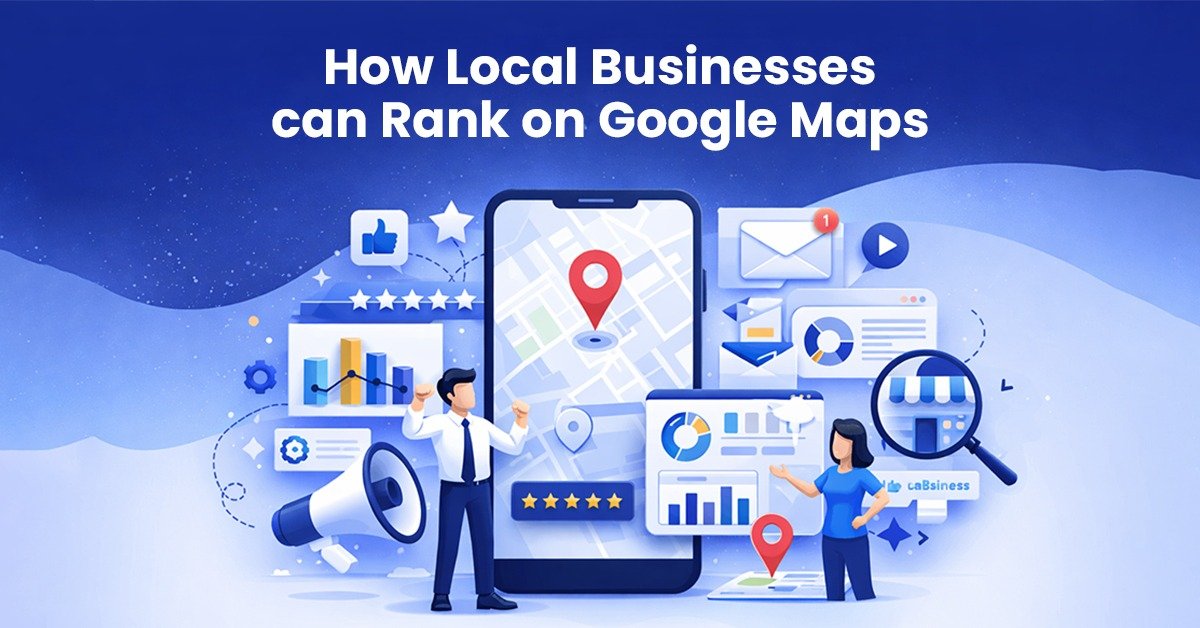
How Local Businesses Can Rank on Google Maps

How Local Businesses Can Rank on Google Maps

In today’s digital world, most customers search online before visiting a local business. Whether someone is looking for a restaurant, salon, real estate agent, or marketing agency, the first place they often check is Google Maps. If your business appears at the top of Google Maps results, you automatically gain more visibility, trust, and customers. This is why ranking on Google Maps has become one of the most important strategies in local digital marketing. In this guide, we will explain how local businesses can rank on Google Maps, using proven strategies along with modern techniques like emotional branding and content marketing storytelling to connect with customers. Why Google Maps Ranking Matters for Local Businesses When someone searches for services like “digital marketing agency near me” or “best cafe near me,” Google usually shows a Map Pack (top 3 businesses with location). Businesses that appear here receive: More website visits Higher customer trust Increased calls and store visits Better brand visibility In fact, studies show that over 70% of local searches lead to a visit within 24 hours. This means ranking on Google Maps can directly impact your revenue. 1. Optimize Your Google Business Profile Your Google Business Profile (formerly Google My Business) is the most important factor for ranking on Google Maps. To optimize it properly: Use your exact business name Add correct address and phone number Select the right business category Add business hours Upload high-quality images Write a detailed business description Make sure your profile includes keywords related to your services. But instead of stuffing keywords, focus on natural language that reflects your brand personality. This is where emotional branding becomes powerful. When your profile communicates trust, reliability, and connection, customers are more likely to click on your listing. 2. Get More Positive Customer Reviews Reviews are one of the strongest ranking signals for Google Maps. Businesses with more positive reviews and high ratings often rank higher than competitors. Tips to increase reviews: Ask satisfied customers for feedback Send review links through WhatsApp or email Respond to every review (positive or negative) Thank customers personally Responding to reviews also helps with emotional branding, because it shows customers that your business values relationships and customer experience. 3. Use Local Keywords in Your Business Description Keywords help Google understand what your business offers. For example, if you are a digital marketing agency, your profile description could include phrases like: digital marketing services SEO services for local businesses social media marketing experts performance marketing strategies Using location-based keywords such as “digital marketing agency in Chandigarh” can help improve your chances of ranking locally. However, the content should remain natural and helpful rather than overly promotional. 4. Upload High-Quality Photos and Videos Businesses with photos receive 42% more requests for directions on Google Maps. You should regularly upload: Office photos Team photos Product images Customer interaction moments Behind-the-scenes videos Visual storytelling is a powerful part of content marketing storytelling. Instead of just showing products or services, show the story of your brand. For example: Your team working on a project Customers enjoying your service Before-and-after transformations This builds emotional connections with potential customers. 5. Post Regular Updates on Google Business Profile Many businesses ignore the Google Posts feature, but it can help improve engagement and visibility. You can post updates such as: New services Blog posts Offers or discounts Customer success stories Industry insights Using content marketing storytelling in these posts makes your content more engaging and shareable. For example, instead of saying: “New service launched.” You could say: “Helping local businesses grow online has always been our mission. Today we’re excited to launch our new performance marketing service designed to bring real results.” This storytelling approach improves customer connection. 6. Maintain Consistent Business Information Google checks your business information across the internet. Your Name, Address, and Phone Number (NAP) must be consistent on: Website Google Business Profile Social media Local directories Business listings If the information is inconsistent, Google may reduce trust in your listing. Consistency helps improve both local SEO rankings and customer credibility. 7. Create Location-Based Content One of the best ways to rank on Google Maps is by publishing local content on your website. Examples include: Local guides Community events Local business success stories City-based service pages When combined with content marketing storytelling, this approach helps businesses build authority in their local market. For instance, instead of writing generic content, share stories about how your business helped local customers succeed. This strengthens both SEO performance and emotional branding. 8. Build Local Backlinks Backlinks from local websites improve your credibility in Google’s eyes. Some ways to get local backlinks include: Partnering with local businesses Getting featured in local news Writing guest blogs Sponsoring local events Joining business directories When authoritative websites link to your business, Google sees your brand as more trustworthy. 9. Improve Your Website’s Local SEO Even though Google Maps is separate, your website still plays an important role in rankings. Make sure your website includes: Location-based keywords Fast loading speed Mobile-friendly design Contact page with map location Local schema markup Combining strong website SEO with content marketing storytelling helps build authority and trust with both users and search engines. 10. Focus on Customer Experience Ultimately, Google wants to show businesses that provide the best experience. This includes: quick responses to customers high-quality services positive reviews strong brand trust Businesses that combine emotional branding with customer-focused service naturally attract more engagement, reviews, and visibility. Over time, this improves their ranking on Google Maps. Conclusion Ranking on Google Maps is not just about technical SEO anymore. Modern digital marketing requires businesses to combine local optimization, storytelling, and emotional connection. By optimizing your Google Business Profile, collecting reviews, creating engaging content, and using emotional branding with content marketing storytelling, local businesses can significantly improve their visibility. When customers connect emotionally with your brand and find your business easily on Google Maps, it creates the perfect combination for long-term growth. Book your consultation now. FAQs 1. How long does

How Local Businesses Can Rank on Google Maps Read More »
How Top Brands Use Storytelling to Win Customers’ Hearts and Loyalty

In today’s crowded digital world, consumers are exposed to thousands of advertisements every day. Traditional advertising alone is no longer enough to capture attention or build lasting relationships with customers. This is where emotional branding and storytelling in marketing becomes powerful. Brands that tell meaningful stories create emotional connections that go far beyond products and services. Through emotional branding and content marketing storytelling, companies are able to connect with audiences on a deeper level. Instead of simply selling a product, they share experiences, values, and human emotions that customers can relate to. In this blog, we will explore how top brands use storytelling to win customers’ hearts and build long-term loyalty. Why Storytelling Matters in Digital Marketing Humans are naturally wired to respond to stories. Long before digital media existed, people shared knowledge and experiences through storytelling. Even today, stories help audiences remember messages more effectively than plain information. When brands use storytelling, they transform marketing into a memorable experience. Rather than focusing only on product features, they focus on emotions, values, and real-life situations. Storytelling helps brands: Build trust with their audience Make marketing messages more memorable Create emotional connections with customers Increase engagement on digital platforms Strengthen brand identity This is why content marketing storytelling has become one of the most powerful strategies in modern digital marketing. Emotional Branding: The Key to Customer Loyalty Emotional branding is a marketing strategy that focuses on creating feelings and emotional experiences around a brand. Customers are more likely to trust and stay loyal to brands that make them feel understood and valued. Instead of saying “Our product is the best,” emotional branding focuses on messages like: “We understand your problems.” “We share your values.” “We want to make your life better.” For example, brands often tell stories about real customers, personal struggles, achievements, or community impact. These stories create a sense of authenticity that traditional ads often lack. When customers feel emotionally connected to a brand, they are more likely to: Recommend the brand to others Become repeat buyers Engage with the brand on social media How Top Brands Use Storytelling Successfully Successful brands understand that storytelling is not just about selling—it’s about building relationships. Here are some strategies top brands use to make storytelling work. 1. Focusing on Real Human Experiences Instead of promoting products directly, many brands share stories about real people. These stories show how the brand fits into everyday life. For example, a fitness brand might share stories of people who transformed their health journey. A technology brand might highlight how their product helped a small business grow. Real experiences create authenticity and make storytelling more relatable. 2. Creating a Clear Brand Mission Great brand stories are built around a strong mission or purpose. Customers today want to support companies that stand for something meaningful. Brands often focus their storytelling around themes like: Innovation Sustainability Empowerment Community support When a brand communicates a clear purpose, customers feel more connected to its vision. 3. Using Multiple Digital Platforms Modern storytelling happens across many digital platforms including: Social media Blogs Video marketing Podcasts Email marketing Each platform allows brands to share different parts of their story. For example: Instagram shows visual storytelling Blogs provide deeper brand narratives Videos create emotional impact This multi-platform strategy strengthens content marketing storytelling and expands audience reach. 4. Creating Consistent Brand Voice Consistency is essential in storytelling. A brand’s tone, message, and values should remain consistent across all marketing channels. When customers see the same story being told across ads, social media, blogs, and videos, it strengthens brand recognition and trust. Consistency also ensures that the brand message feels authentic rather than forced. 5. Making Customers Part of the Story One of the most powerful storytelling techniques is involving customers directly. User-generated content such as testimonials, reviews, and social media posts can become part of the brand narrative. When customers share their own experiences with a brand, it builds credibility and trust. It also creates a community around the brand. This strategy turns customers from buyers into brand advocates. Benefits of Storytelling for Businesses Storytelling is not just creative—it also delivers measurable marketing results. 1. Higher Engagement Stories naturally attract attention and encourage audiences to spend more time with content. This leads to higher engagement rates on blogs, social media, and videos. 2. Better Brand Recall People remember stories much better than simple advertisements. This means storytelling improves brand recall and awareness. 3. Stronger Customer Relationships Through emotional branding, businesses can develop long-term relationships with their customers rather than one-time transactions. 4. Increased Conversions Customers who emotionally connect with a brand are more likely to trust it and make purchasing decisions. The Future of Storytelling in Digital Marketing As digital marketing continues to evolve, storytelling will become even more important. With the rise of short-form videos, AI-driven personalization, and immersive technologies, brands now have new ways to tell compelling stories. Consumers today prefer meaningful content rather than aggressive advertising. This is why content marketing storytelling will remain a key strategy for businesses that want to build trust and loyalty. Brands that successfully combine storytelling with emotional branding will continue to stand out in competitive markets. FAQs 1. What is storytelling in digital marketing? Storytelling in digital marketing is the strategy of using narratives, emotions, and real-life experiences to communicate a brand message and connect with audiences. 2. What is emotional branding? Emotional branding is a marketing approach that focuses on building emotional connections between a brand and its customers to create loyalty and trust. 3. How does content marketing storytelling help businesses? Content marketing storytelling helps businesses engage audiences, improve brand recall, build trust, and increase conversions by making marketing messages more relatable. 4. Why do customers connect with storytelling? Customers connect with storytelling because it appeals to emotions and real-life experiences, making the brand message more meaningful and memorable. 5. What platforms are best for brand storytelling? Brands can use blogs, social media, videos, podcasts, and email marketing to share their stories

How Top Brands Use Storytelling to Win Customers’ Hearts and Loyalty Read More »